
What Drawings Are Needed for a Commercial Building Permit in Fairfax County?
Learn what drawings may be needed for a commercial building permit in Fairfax County, including floor plans, demolition plans, life safety plans, and trade drawings.
7/30/20265 min read
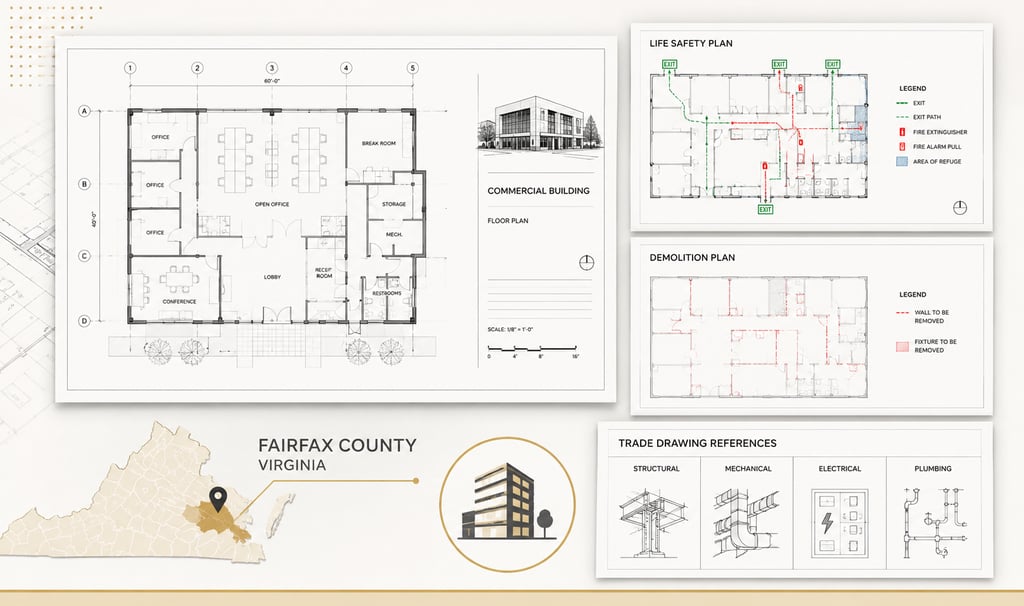
If you’re planning a commercial renovation, tenant build-out, restaurant layout, office build-out, or warehouse project in Fairfax County, one of the first questions is:
What drawings are needed for a commercial building permit?
The answer depends on the project scope.
A simple interior update may need fewer drawings than a full restaurant build-out or warehouse office renovation. But in most cases, the county needs a clear set of plans before construction begins.
Commercial permit drawings help reviewers understand what is being changed, how the space will be used, and whether the project meets code requirements.
_____________________________________________________________________________________________________
Why Commercial Permit Drawings Matter
Commercial permit drawings are not just for construction.
They are used for review.
The county may need to check:
building code compliance
life safety
accessibility
occupancy
exiting
plumbing
electrical systems
mechanical systems
fire-related requirements
proposed use of the space
If the drawings are incomplete or unclear, the permit review process can slow down quickly.
If you want to understand how permit approvals work overall, see permit-ready architectural plans.
_____________________________________________________________________________________________________
What Projects Usually Need Commercial Permit Drawings?
Commercial permit drawings may be needed for projects such as:
tenant build-outs
office build-outs
restaurant build-outs
warehouse build-outs
interior alterations
interior demolition
change of use projects
new tenant layouts
restroom changes
commercial renovations
Fairfax County’s commercial addition and alteration permit guidance includes interior alterations, existing tenant or owner alterations, interior demolition, modular furniture, and new tenant layouts.
That makes commercial drawings important for many business spaces, even when the building already exists.
_____________________________________________________________________________________________________
1. Existing Floor Plan
An existing floor plan shows the current layout of the space.
It may include:
existing walls
doors
rooms
restrooms
tenant areas
corridors
exits
existing equipment
existing fixtures
This helps reviewers understand what is already there before any work begins.
For many commercial projects, showing existing conditions clearly is just as important as showing the proposed work.
_____________________________________________________________________________________________________
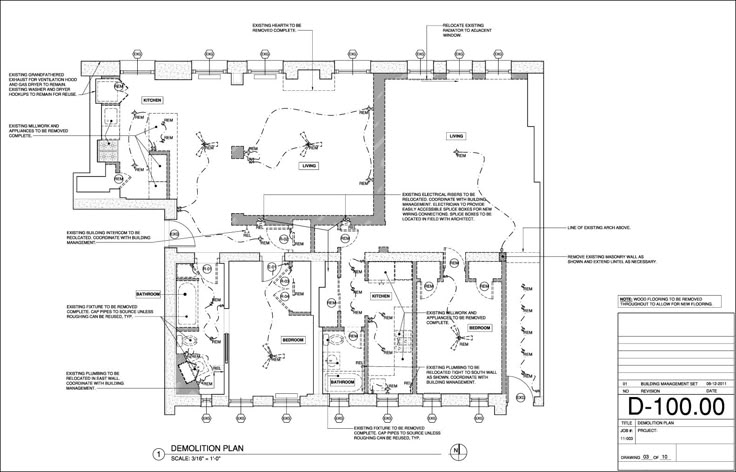
2. Demolition Plan
A demolition plan shows what will be removed.
This may include:
walls
doors
ceilings
fixtures
flooring
millwork
lighting
plumbing fixtures
mechanical items
electrical items
A clear demolition plan helps separate old work from new work.
If the project includes interior demolition, see whether you need a permit for commercial interior demolition in Fairfax County.
_____________________________________________________________________________________________________
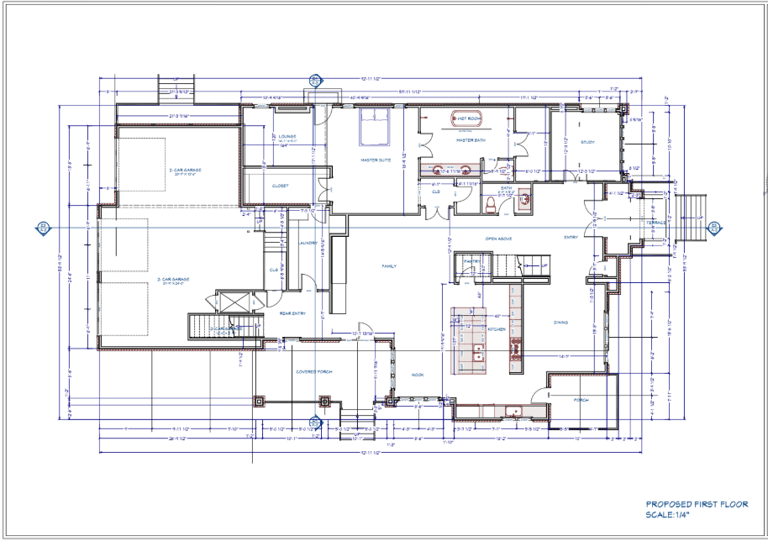
3. Proposed Floor Plan
The proposed floor plan shows the new layout.
This is one of the most important drawings in the permit set.
It may show:
new rooms
new walls
doors
restrooms
seating areas
office areas
storage areas
customer areas
employee areas
equipment layout
The proposed floor plan helps reviewers understand how the space will function after the work is complete.
If the layout is unclear, the county may issue comments and request revisions.
_____________________________________________________________________________________________________
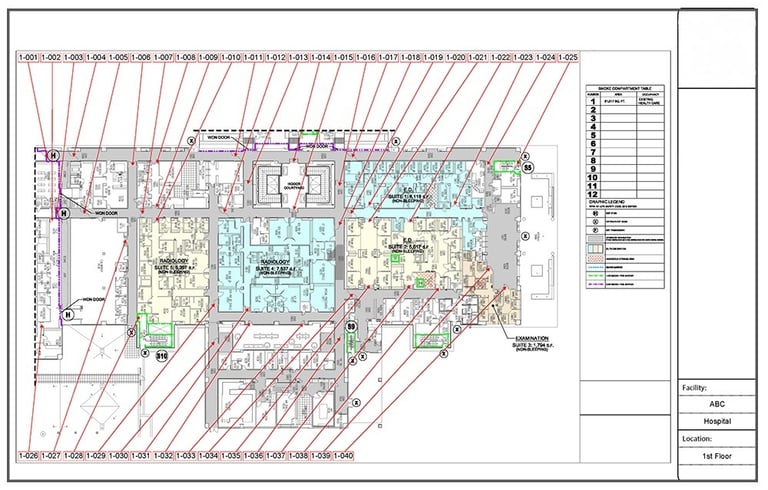
4. Life Safety Plan
A life safety plan may be needed for commercial projects.
This drawing can show:
exits
exit access paths
travel distances
occupant load
emergency routes
fire-rated walls, if applicable
door swings
code-related information
Life safety is especially important for restaurants, offices, warehouses, assembly spaces, and tenant build-outs.
A project may look simple, but if exits or occupant load are not clear, the review process can slow down.
_____________________________________________________________________________________________________
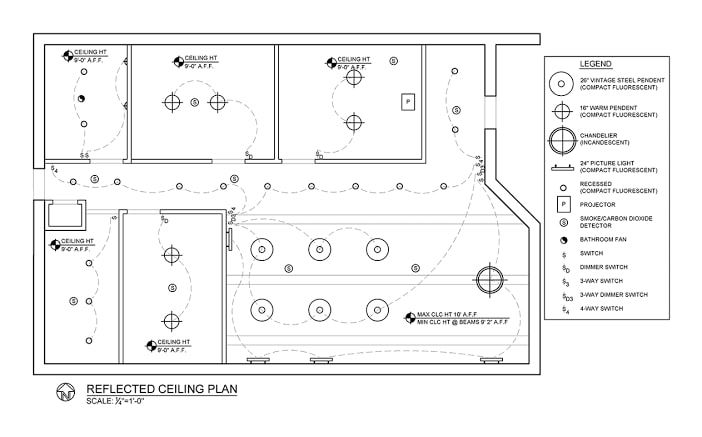
5. Reflected Ceiling Plan
A reflected ceiling plan, often called an RCP, shows ceiling-related work.
This may include:
ceiling grid
lighting layout
ceiling heights
soffits
diffusers
sprinkler coordination, if applicable
ceiling-mounted devices
This drawing becomes more important when the project includes lighting, mechanical changes, new ceiling layouts, or commercial interiors.
_____________________________________________________________________________________________________
6. Accessibility Details
Commercial projects often need accessibility review.
Drawings may need to show:
accessible routes
door clearances
restroom layouts
counter heights
turning spaces
fixture clearances
corridor widths
Accessibility issues can create permit comments if they are not addressed early.
That is why accessibility should be part of the design process, not an afterthought.
_____________________________________________________________________________________________________
7. Mechanical Drawings
Mechanical drawings show heating, cooling, ventilation, and exhaust work.
They may include:
ductwork
diffusers
exhaust fans
HVAC equipment
thermostats
range hood coordination
make-up air, if applicable
Mechanical drawings are especially important for restaurants, offices, warehouses, and spaces with new equipment or ventilation needs.
_____________________________________________________________________________________________________
8. Electrical Drawings
Electrical drawings may show:
lighting
switches
outlets
electrical panels
equipment power
emergency lighting
exit signs
dedicated circuits
low-voltage coordination, if needed
Many commercial projects involve electrical changes, even if the architectural work is simple.
Missing electrical information can lead to review comments and inspection issues.
_____________________________________________________________________________________________________
9. Plumbing Drawings
Plumbing drawings may be needed when the project includes:
restrooms
sinks
floor drains
kitchens
mop sinks
water heaters
grease-related systems
equipment connections
Restaurant and food service projects usually need more plumbing coordination than basic office projects.
If you’re planning a restaurant, see whether you need a permit for a restaurant build-out in Fairfax County.
_____________________________________________________________________________________________________
10. Code Information
Commercial permit sets usually need code information.
This may include:
occupancy classification
construction type
occupant load
applicable code references
egress information
accessibility notes
fire protection information, if applicable
Code information helps reviewers understand how the design is being evaluated.
Without it, the review may take longer.
_____________________________________________________________________________________________________
Why Commercial Permit Drawings Get Delayed
Commercial permits often get delayed when drawings are incomplete or not coordinated.
Common issues include:
unclear scope of work
missing existing conditions
incomplete proposed layout
missing life safety information
missing trade drawings
accessibility issues
unclear restroom layout
inconsistent dimensions
missing code information
If reviewers do not have enough information, they may issue comments and request revisions.
If you want a deeper breakdown, read why permits get delayed in Northern Virginia.
_____________________________________________________________________________________________________
Drawings for Tenant Build-Outs
Tenant build-outs usually need coordinated drawings because they change how a commercial space is used.
The drawings may need to show:
existing layout
proposed tenant layout
demolition work
office or customer areas
restrooms
electrical changes
mechanical changes
plumbing changes
accessibility items
If you’re planning a commercial tenant project, see whether you need a permit for a commercial tenant build-out in Fairfax County.
_____________________________________________________________________________________________________
Drawings for Office Build-Outs
Office build-outs may require drawings for:
private offices
conference rooms
reception areas
workstations
modular furniture
break rooms
lighting
HVAC coordination
accessibility
occupancy approval
If you’re planning office work, see whether you need a permit for an office build-out in Fairfax County.
_____________________________________________________________________________________________________
Drawings for Warehouse Build-Outs
Warehouse projects may require drawings for:
office areas
storage areas
employee spaces
restrooms
equipment areas
exit paths
lighting
mechanical work
accessibility
If you’re planning warehouse work, see whether you need a permit for a warehouse build-out in Fairfax County.
_____________________________________________________________________________________________________
Where to Check Fairfax County Requirements
You can review Fairfax County’s commercial alteration guidance through the county’s Addition/Alteration Commercial page.
_____________________________________________________________________________________________________
How to Avoid Commercial Permit Drawing Delays
A few steps can help:
define the full scope early
show existing and proposed layouts clearly
include demolition plans when needed
coordinate architectural, mechanical, electrical, and plumbing drawings
address life safety and accessibility early
include code information
make sure all drawings match
The goal is to make the project clear for reviewers before construction begins.
If you want a full timeline breakdown, see how long permits take in Northern Virginia.
_____________________________________________________________________________________________________
Final Thoughts
Commercial permit drawings need to do more than show a layout.
They need to explain the scope of work, code requirements, existing conditions, proposed changes, and building systems involved.
In Fairfax County, clear and coordinated drawings can make a major difference in how smoothly the permit review process moves.
The better the drawings are upfront, the fewer surprises you are likely to face later.
_____________________________________________________________________________________________________
Need Help With Commercial Permit Drawings?
If you have a commercial project coming up and want help understanding what drawings may be required, feel free to reach out through our contact page.
We can take a quick look and help you understand what may be needed before submission.


Follow Us
Connect with us through our social media
Contact Us
© 2024. All rights reserved.